
Last updated September 10, 2026
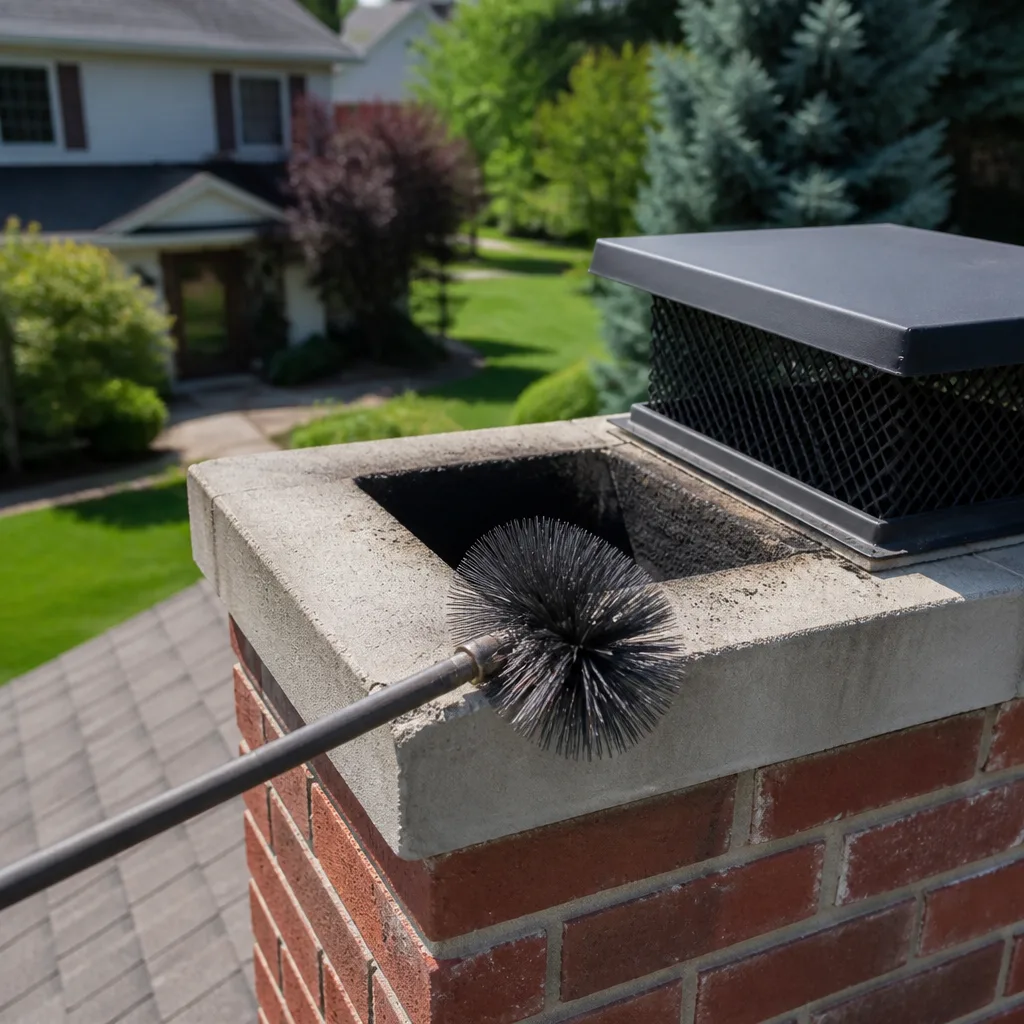
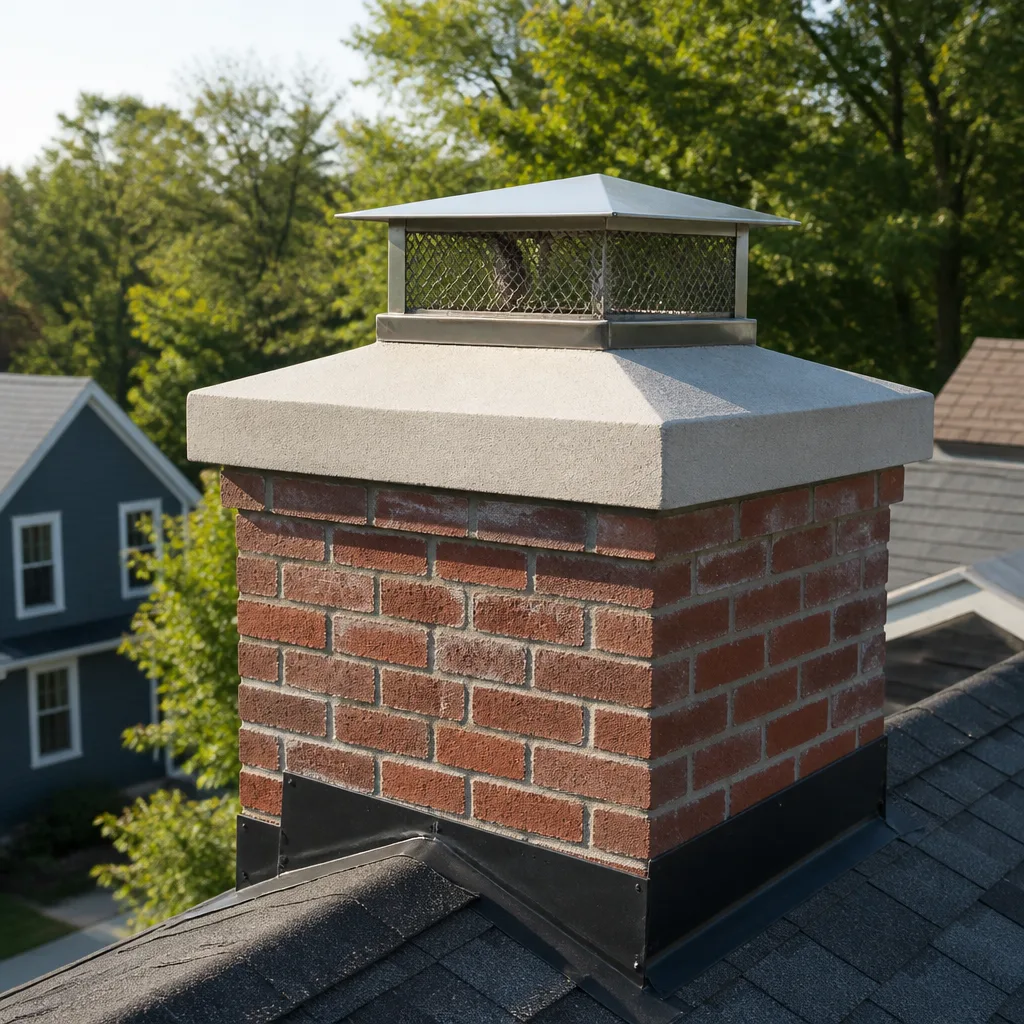
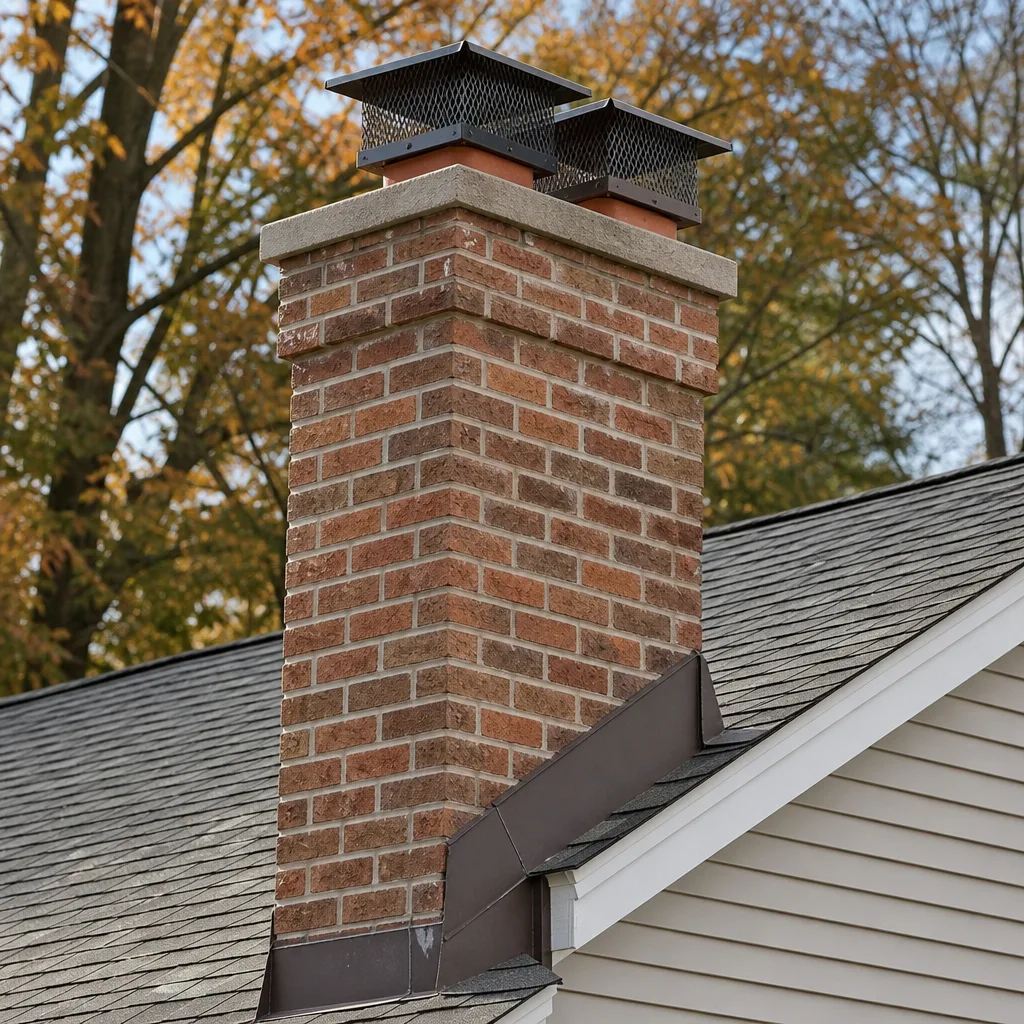
Level 1 sweep and inspection to the NFPA 211 annual standard - flue, crown, cap, and flashing checked and photographed
Chimney sweep logs do not sweep chimneys. They loosen some creosote - which then falls where a brush and vacuum still have to collect it.
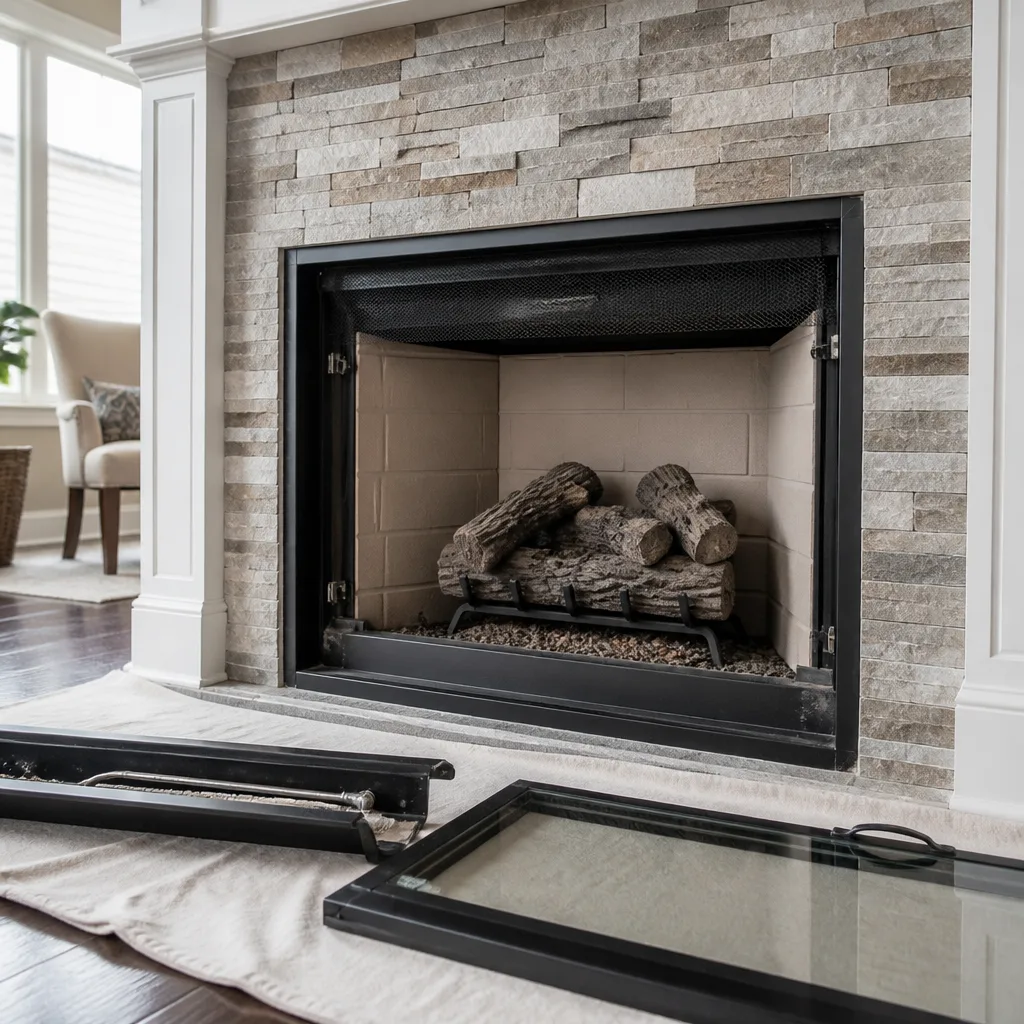
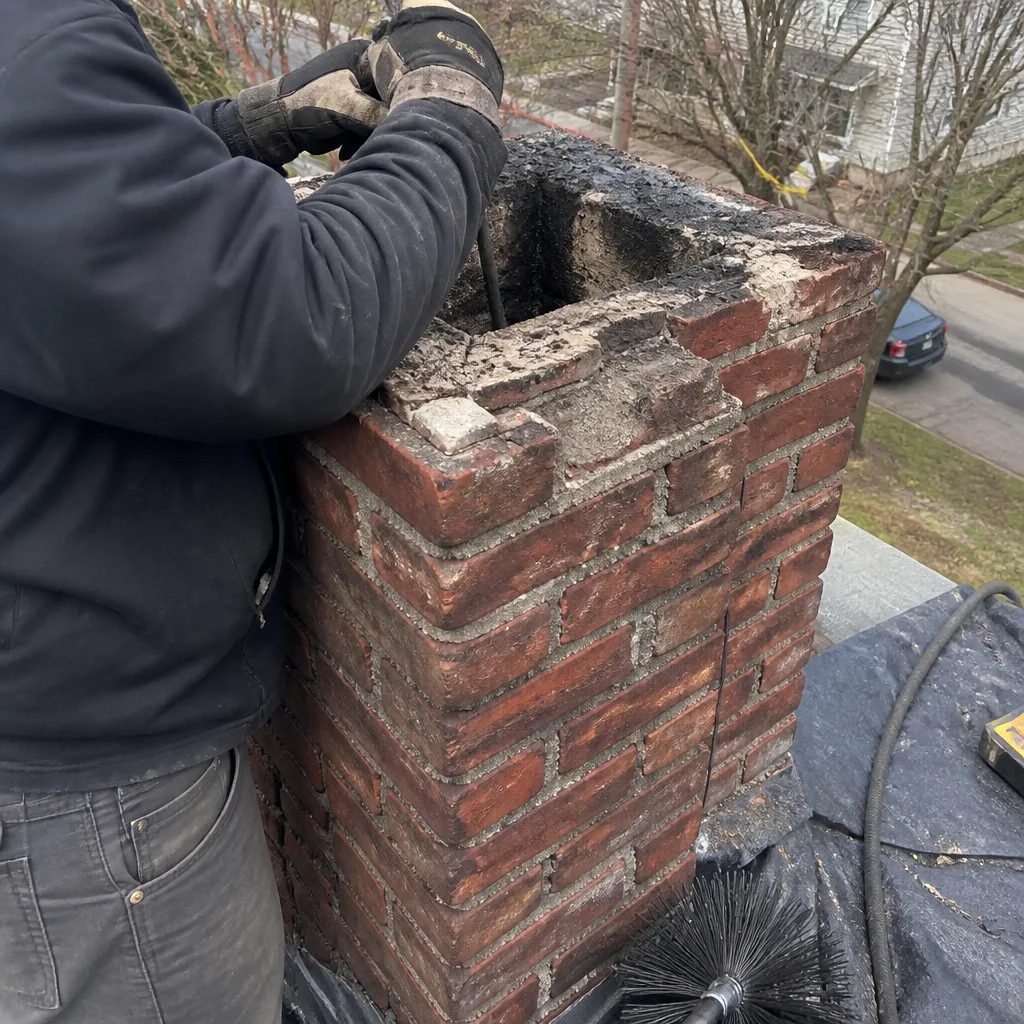 Before
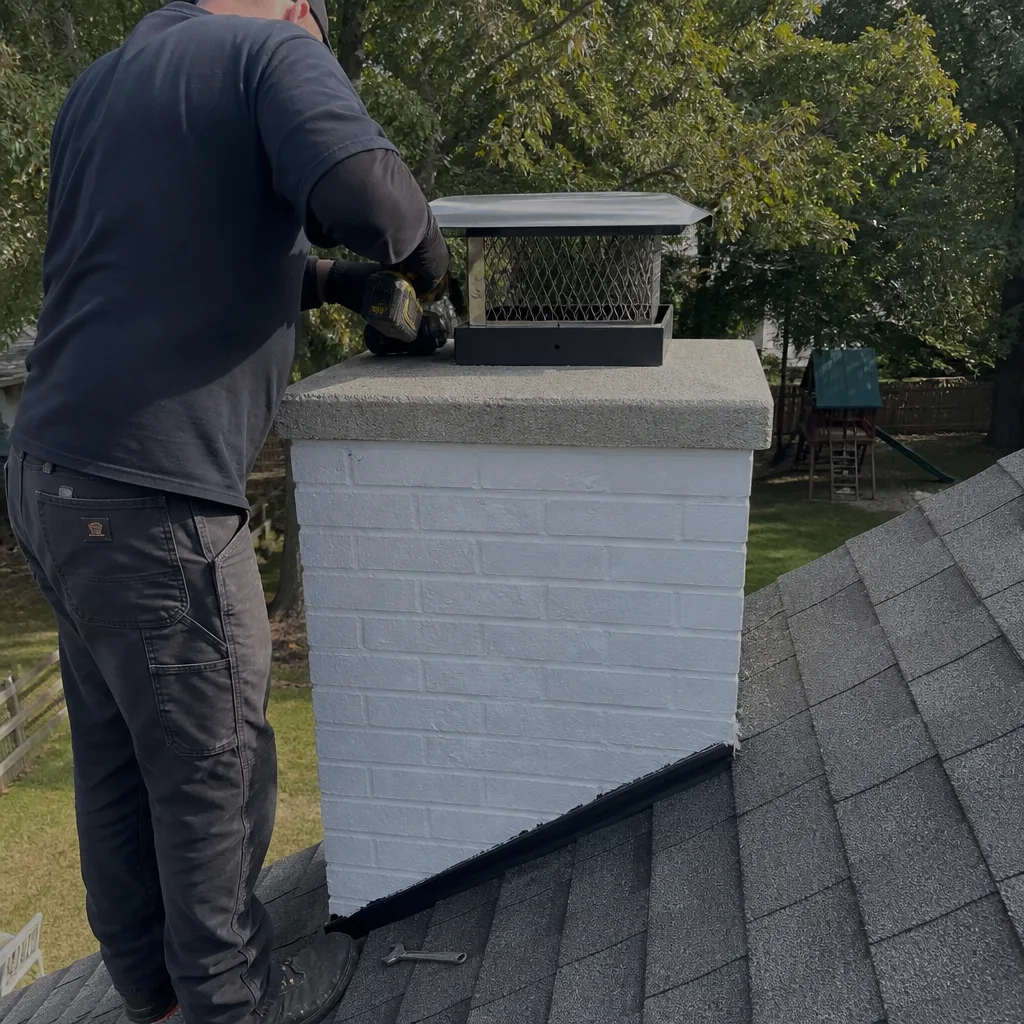 After
After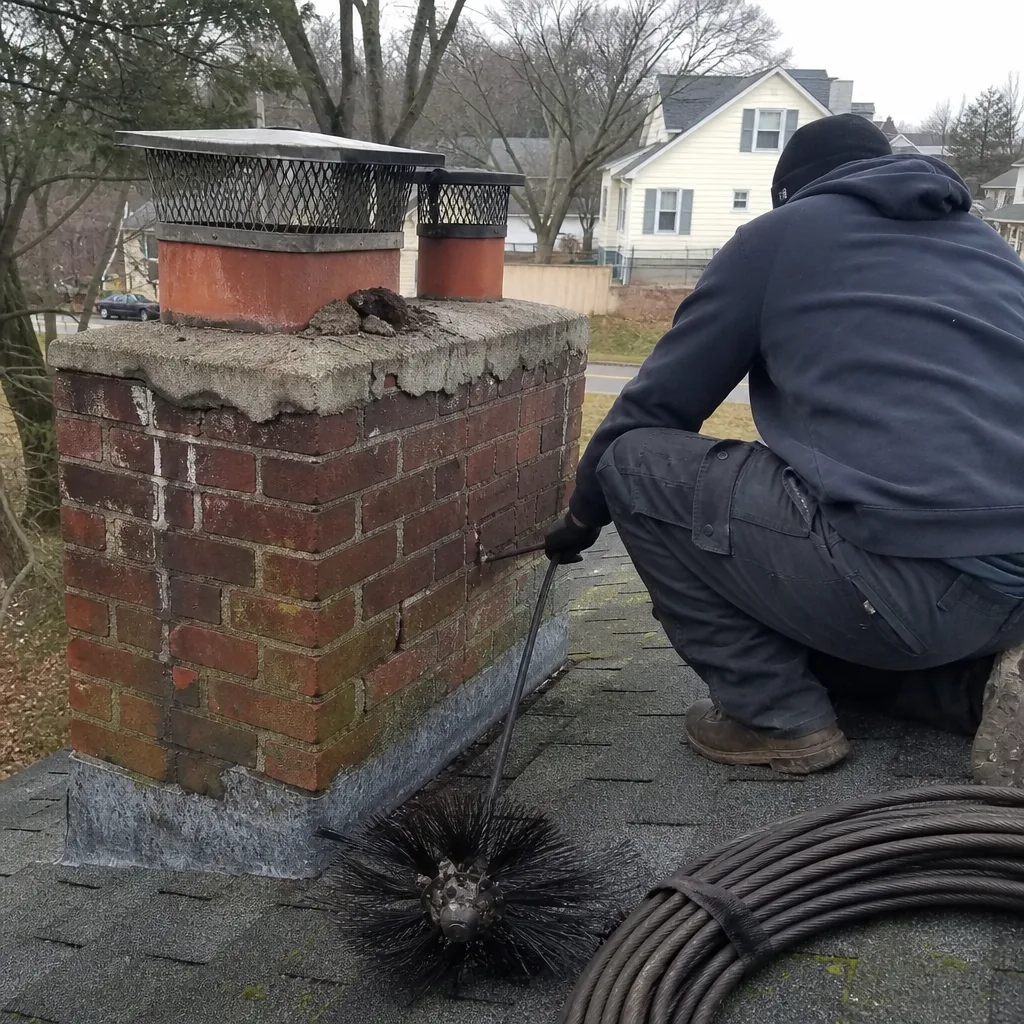 Before
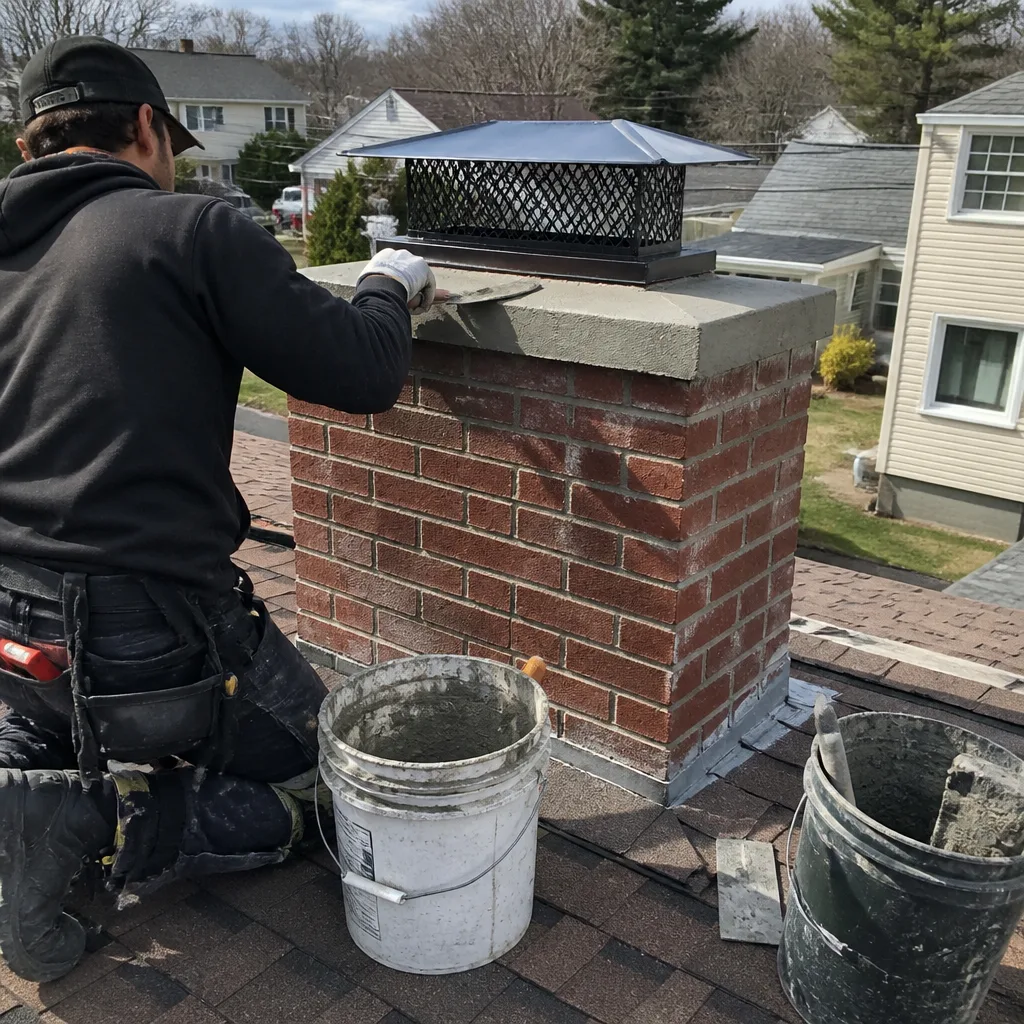 After
After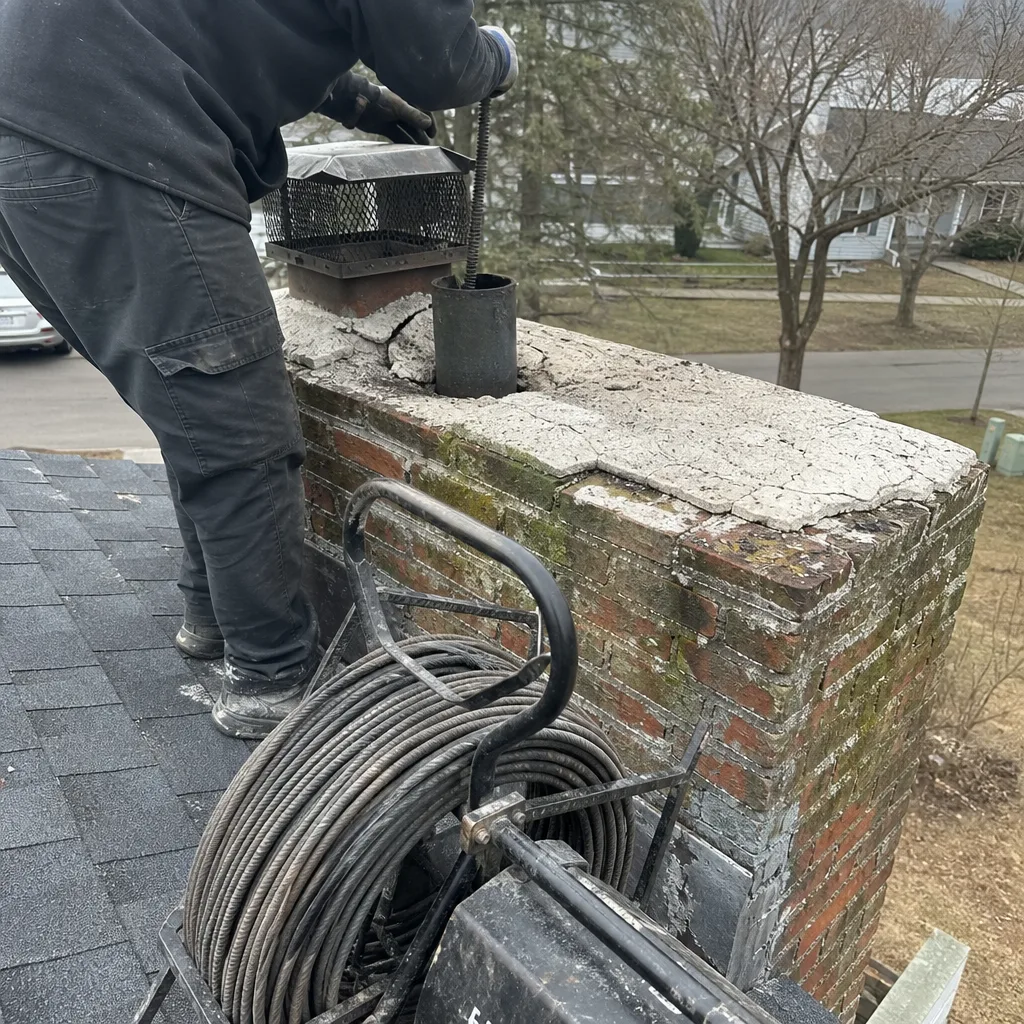 Before
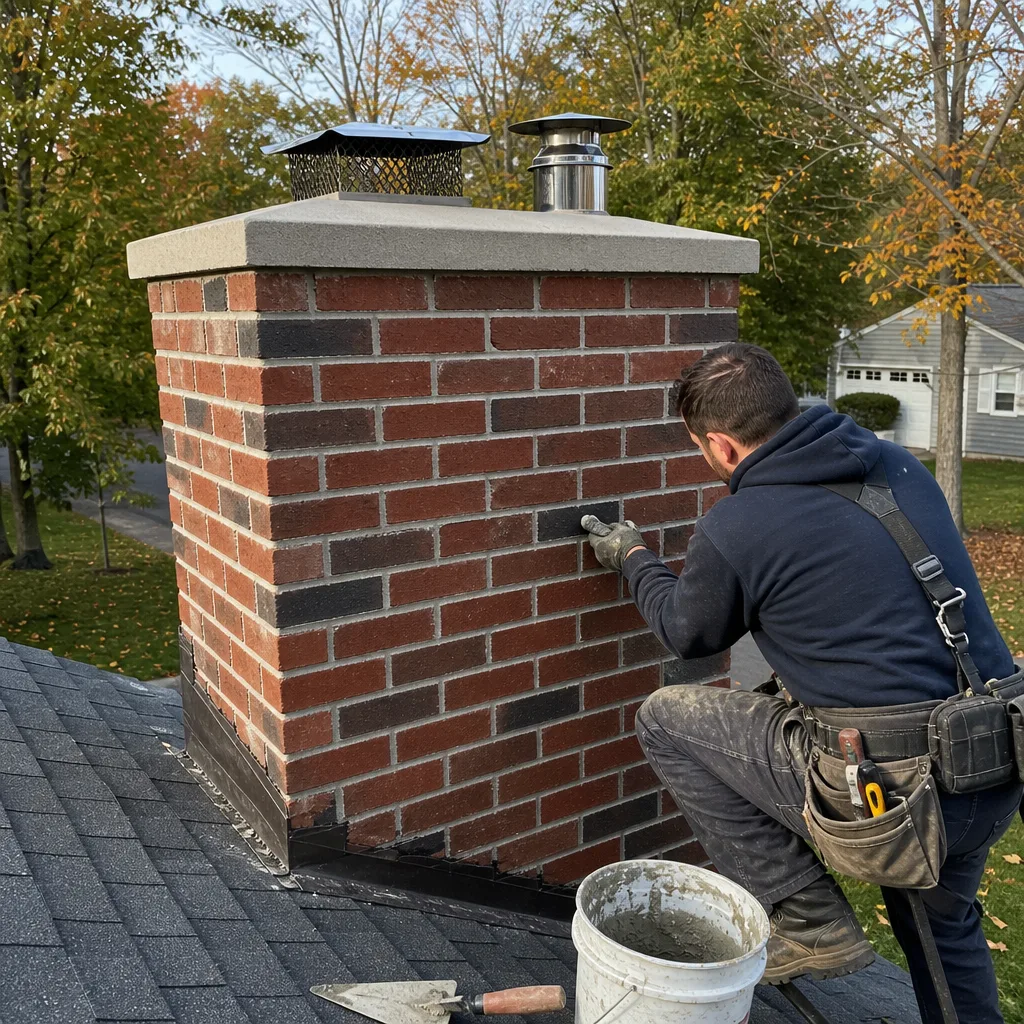 After
AfterChimney Cleaning Permits, Codes & Inspections in MA: What You Need to Know
The cleaning is never the paperwork problem. It’s the $1,800 liner repair done without a permit that shows up on your home inspection ten years later and kills the sale. In Chelmsford and across Middlesex County, we’ve watched homeowners discover this the hard way - a routine sweep reveals cracked flue tiles, the contractor offers a quick fix, and nobody files the paperwork. Five years later, the buyer’s inspector asks for permit history, and the closing stalls while you scramble for documentation that doesn’t exist. Our Complete Guide to Chimney Cleaning in Chelmsford explains exactly what chimney work needs a permit in Massachusetts, what doesn’t, and how to protect yourself from liability that outlasts the repair.
Quick Answer
Chimney cleaning and sweeping require no building permit in Massachusetts. However, liner replacement, firebox rebuilds, structural repairs, and fuel-type conversions typically do require permits under 780 CMR, and unpermitted work can void insurance coverage, complicate home sales, and leave you liable for code violations. A Level 2 camera inspection is required by NFPA 211 after any chimney fire, property transfer, or appliance change.
Table of Contents
- What Chimney Work Needs a Permit in Massachusetts?
- Maintenance vs. Repair: The Permit Line
- What Is NFPA 211 and Why Does It Matter?
- Level 2 Inspections: When Massachusetts Requires Them
- The Insurance Angle: How Unpermitted Work Voids Claims
- Oil-to-Gas Conversions in Greater Chelmsford
- The Chelmsford & Middlesex County Permit Process
- Common Mistakes to Avoid
- When to Call a Professional
- Frequently Asked Questions
- The Bottom Line
What Chimney Work Needs a Permit in Massachusetts?
Massachusetts building code - specifically 780 CMR, the statewide building code enforced by every city and town - draws a clear line between maintenance and alteration. Understanding this line saves you from red tape on routine work and protects you from liability on major repairs.
Work that typically requires a building permit:
- Liner replacement or relining of any kind
- Firebox reconstruction or refractory panel replacement
- Crown rebuilds or structural crown repairs
- Chimney rebuilding above the roofline
- Installation of new chimney caps or chase covers where structural attachment changes
- Fuel-type conversions (oil to gas, wood to pellet, etc.)
- Installation of new inserts or hearth stoves
- Any work affecting structural integrity or appliance venting
Work that does not require a permit:
- Annual chimney sweeping and cleaning
- Glaze removal and creosote mitigation
- Top-sealing damper installation (non-structural)
- Standard chimney cap replacement on existing flue (same size, same attachment)
- Smoke chamber parging with listed materials
- Minor tuckpointing below a defined square footage (varies by municipality)
The gray area - and where Chelmsford homeowners get tripped up, as we cover in our Chimney Cleaning Warning Signs guide - is partial liner repair. If your sweep discovers three cracked flue tiles and a technician proposes removing and replacing just those sections, does that constitute “liner replacement”? In practice, most Middlesex County inspectors interpret any liner modification beyond spot repair as permit-triggering. The safe course: ask before work begins, and get the answer in writing from the building department, not the contractor.
We’ve seen this scenario repeatedly in Chelmsford’s older neighborhoods - the 1960s and 1970s colonials off Route 4 and the historic homes near the Common. Clay flue tiles degrade predictably after forty to sixty New England winters. A contractor offers to “just patch the bad spots” without pulling a permit, and the homeowner accepts because it saves $200 and two weeks. The work functions fine. Years pass. Then a home sale, an insurance claim, or a neighbor’s fire inspection raises questions, and the absence of documentation becomes expensive.
Maintenance vs. Repair: The Permit Line
Massachusetts code treats chimney maintenance as the homeowner’s ongoing responsibility, not a regulated construction activity. This distinction matters for scheduling, budgeting, and liability.
Maintenance - no permit, no inspection:
Annual sweeping falls squarely in this category. The National Fire Protection Association recommends annual inspection and cleaning as needed based on fuel type, usage, and creosote accumulation. In Chelmsford, where many homeowners burn hardwoods from local suppliers and run oil or gas systems through the same flues, we typically recommend annual service for wood-burning systems and biennial for oil and gas. This is preventive care, like changing furnace filters or cleaning gutters.
Camera inspection during routine maintenance also requires no permit. Our Level 2 inspections use specialized video equipment to document flue condition, but the inspection itself changes nothing. We provide photos you can see and a plain-English verdict. If the verdict is “clean and sound,” you sweep and schedule next year. If it’s “liner degradation present,” we shift into repair documentation and permit planning.
Repair - permit likely required:
The moment repair work alters the chimney’s structure, venting capacity, or listed clearances to combustibles, 780 CMR applies. This includes:
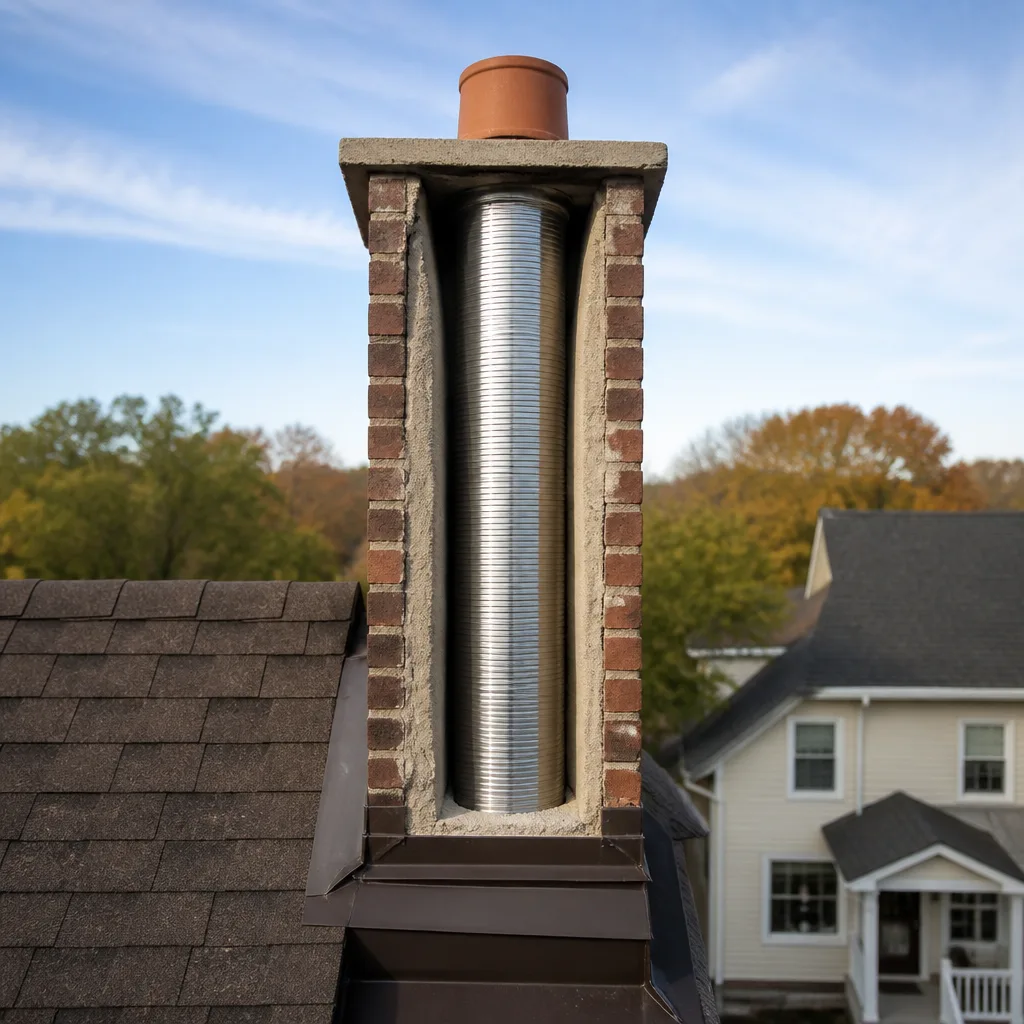
- Relining with stainless steel or aluminum: New liner systems from DuraFlex and other manufacturers must be sized to the appliance per NFPA 211 Tables 12.5.1 and 12.6.2. The building inspector verifies this sizing against manufacturer documentation.
- HeatShield applications: This cerfractory flue sealant system, when used for resurfacing rather than minor joint repair, constitutes liner modification and typically triggers permit requirements.
- Crown reconstruction: Pouring new concrete or applying Gelco crown seal in thicknesses exceeding manufacturer’s maintenance specifications crosses into structural repair.
- Firebox refractory replacement: New panels change the appliance’s tested clearances and require inspection.
The critical question to ask any contractor: “Will you pull the permit, or do I?” In Massachusetts, either party may apply, but the permit holder bears responsibility for code compliance. Reputable contractors handle this routinely. Operators who hesitate, suggest “saving the hassle,” or propose starting work “while the permit processes” are waving a flag you should not ignore.
What Is NFPA 211 and Why Does It Matter?
NFPA 211 - the National Fire Protection Association’s Standard for Chimneys, Fireplaces, Vents, and Solid Fuel-Burning Appliances - functions as the technical backbone that Massachusetts building inspectors reference when evaluating chimney work. It is not itself law in Massachusetts, but 780 CMR adopts it by reference, making its provisions enforceable through the state building code.
This matters because NFPA 211 contains specific requirements that determine whether your chimney passes inspection:
- Clearances to combustibles: Minimum distances between chimney walls and framing, typically 2 inches for masonry chimneys with listed liners, but varying by construction type and appliance.
- Liner sizing: Flue area must match appliance output; oversizing causes condensation and creosote buildup, undersizing restricts draft.
- Height requirements: Chimneys must terminate at least 3 feet above roof penetration and 2 feet higher than any portion of building within 10 feet.
- Material specifications: Acceptable liner materials by fuel type - stainless steel for wood, oil, and gas; aluminum only for certain gas applications; clay tile for open masonry fireplaces under specific conditions.
- Inspection levels: Defines Level 1 (visual, accessible), Level 2 (camera, accessible and concealed), and Level 3 (destructive, as needed) inspections.
In our 42 years serving Chelmsford and surrounding communities, we’ve found that most homeowners first encounter NFPA 211 when something goes wrong - a failed home inspection, an insurance dispute, or a building department correction notice. The standard is dense reading, but its practical application is straightforward: your chimney must vent safely, maintain proper clearances, and use materials appropriate to your fuel type.
Chelmsford’s climate intensifies certain NFPA 211 requirements. Our freeze-thaw cycles, with temperatures swinging from single digits to rain-washed 40-degree days in January, accelerate liner deterioration and crown cracking. A liner that might last twenty years in coastal Georgia shows stress in fifteen here. This is not code speculation; it’s what we document annually in camera inspections from Westford Street to the Tyngsborough line.
When we specify DuraFlex liners or HeatShield resurfacing for a Chelmsford home, we’re selecting materials that meet or exceed NFPA 211 standards for this climate and fuel type. The building inspector’s approval confirms that selection. Without that approval, you’re relying solely on contractor judgment - and if that judgment proves faulty, you have no regulatory backstop.
Level 2 Inspections: When Massachusetts Requires Them
A Level 2 inspection goes beyond the visual sweep. It includes video scanning of the flue interior, inspection of accessible portions of the chimney exterior and attic, and documentation of clearances and construction. NFPA 211 mandates this level of inspection in specific circumstances, and Massachusetts insurers and building departments have increasingly adopted these triggers as their own requirements.
You need a Level 2 inspection when:
- Selling or transferring property: Many Middlesex County attorneys now recommend or require Level 2 documentation before closing, particularly for homes with wood-burning appliances. In Chelmsford’s competitive market, a clean inspection report removes negotiation leverage from buyers’ inspectors.
- After any chimney fire: Even a small fire can crack flue tiles, damage mortar joints, or compromise liner attachments. Visual inspection cannot detect concealed damage. Insurance claims for subsequent fires have been denied when no Level 2 followed the initial incident.
- After any change in appliance: New insert, pellet stove, gas log set, or switch from oil to gas - any alteration to the fuel type, appliance type, or input rating requires verification that the existing chimney system remains compatible.
- After weather or seismic event: Significant lightning strike, earthquake, or structural impact to the building.
- Upon adding or modifying a connector: Changes to the venting path between appliance and chimney flue.
What a Level 2 inspection produces matters as much as when it’s required. Our inspections end with photos you can see and a plain-English verdict - documented like an engineer, explained like a craftsman. The photos are timestamped, georeferenced, and stored with your customer record. If a permit application, insurance claim, or home sale requires documentation, we provide it without additional charge.
This documentation becomes critical in disputes. We’ve testified in insurance proceedings where a carrier denied a chimney fire claim because no Level 2 inspection followed a previous incident. The homeowner assumed a visual “all clear” from a sweep was sufficient. It was not. NFPA 211 is explicit: after fire, Level 2 is the minimum. Skipping it to save $200-$400 can cost thousands in uncovered damage.
For Chelmsford homeowners in historic districts or with pre-1980 construction, Level 2 inspections often reveal construction that predates modern codes but may be grandfathered if properly documented. Unlined masonry chimneys, for example, are common in homes built before 1950. NFPA 211 does not automatically require lining existing chimneys unless the appliance changes or damage is present - but proving grandfathered status requires professional documentation. We provide that documentation with every Level 2 inspection.
The Insurance Angle: How Unpermitted Work Voids Claims
Homeowner’s insurance policies contain standard provisions that exclude coverage for damage arising from code violations or unpermitted work. Chimney fires are among the most common claims where this exclusion applies, and the application is broader than most homeowners realize.
The exclusion does not require that the unpermitted work caused the fire. It requires only that unpermitted work existed and that the insurer can plausibly connect it to the loss. In practice, this means:
- Unpermitted liner replacement after a previous sweep’s recommendation? The insurer may argue the liner was improperly sized or installed, contributing to creosote accumulation.
- Unpermitted firebox rebuild using non-listed materials? The insurer may claim the rebuild altered clearances to combustibles, allowing adjacent framing to ignite.
- No permit for oil-to-gas conversion? The insurer may dispute whether the chimney was properly evaluated for the new fuel type’s venting characteristics.
We’ve reviewed insurance denials where the unpermitted work was twenty years old and functionally unrelated to the fire’s origin. The carrier’s position: had proper permitting occurred, inspection would have identified deficiencies that proper installation would have corrected. This is legally aggressive but not uncommon, and fighting it requires documentation most homeowners lack.
The protection is straightforward. Permit applications create a paper trail: what was proposed, what was approved, what was inspected, and what passed. This trail shifts liability to the permitting authority and the contractor, not the homeowner. In Massachusetts, contractors who perform work without required permits face disciplinary action through the Office of Consumer Affairs and Business Regulation. Homeowners who knowingly permit unpermitted work may face insurance consequences with no regulatory recourse.
In Chelmsford specifically, we’ve noted increased insurer scrutiny since the 2019 building code updates tightened chimney requirements for homes with solid-fuel appliances. Underwriters writing policies for homes in Middlesex County increasingly request inspection documentation, particularly for homes older than 1980 or with wood-burning fireplaces. A clean Level 2 report with permit history satisfies this request. A blank stare and a contractor’s verbal assurance does not.
Oil-to-Gas Conversions in Greater Chelmsford
Fuel conversion represents the most common permit-triggering chimney scenario we encounter in Chelmsford and surrounding towns. Massachusetts has aggressively promoted oil-to-gas conversions for environmental and efficiency reasons, but the chimney implications are frequently overlooked.
When you convert from oil to gas, three things change in your chimney system:
- Venting temperature: Gas appliances produce lower flue gas temperatures than oil. This reduces draft and increases condensation in the flue, particularly in exterior masonry chimneys common in Chelmsford’s 1960s-1980s housing stock.
- Condensate chemistry: Gas combustion produces water vapor that combines with trace combustion products to form acidic condensate. Clay flue tiles and standard mortar joints deteriorate under chronic acid exposure.
- Appliance rating: The new gas appliance has a specific input rating and venting requirement that must match chimney capacity per NFPA 211 sizing tables.
Under 780 CMR and NFPA 211, an oil-to-gas conversion requires evaluation of the existing chimney system. This is not optional guidance; it is code-mandated. The evaluation must determine whether the chimney can safely vent the new appliance, whether liner modification is required, and whether clearances to combustibles remain adequate.
The documentation this evaluation produces serves multiple purposes. The building permit application requires it. The gas utility or HVAC contractor performing the appliance installation may request it. Your insurer may require it for policy continuation. And if you sell, the buyer’s inspector will look for evidence that the conversion was properly permitted and inspected.
In our experience across Chelmsford, Westford, and Lowell, approximately 60% of oil-to-gas conversions in homes built before 1990 require some chimney modification - typically stainless steel liner installation or resizing. The modification requires a permit. The permit requires inspection. The inspection requires documentation of compliance with NFPA 211.
We’ve worked with DuraFlex liner systems and HeatShield resurfacing on dozens of these conversions. The materials are professional-grade and listed for the application, but their installation still requires municipal inspection. A contractor who proposes “just running the gas line and seeing how it goes” is proposing to leave you with unpermitted work and potential liability.
The seasonal timing matters in our market. Most Chelmsford homeowners schedule conversions in spring and summer, ahead of the next heating season. Permit processing in Middlesex County typically takes two to four weeks, with inspection scheduling adding another one to two weeks. Starting the chimney evaluation in March or April prevents the October rush when every sweep and inspector is booked solid.
The Chelmsford & Middlesex County Permit Process
Understanding the mechanics of permitting helps you plan and protects you from contractors who claim the process is “too complicated” or “not worth it.” In Chelmsford, chimney permits flow through the Building Department at Town Hall, with inspection scheduling through the same office.
Step-by-step for typical liner replacement:
- Application: Contractor or homeowner submits permit application with scope description, contractor license information, and proposed materials. For liner work, this includes manufacturer specification sheets for the liner system (DuraFlex, etc.).
- Plan review: Building inspector reviews sizing calculations against appliance ratings. This typically takes 3-5 business days for straightforward residential work.
- Permit issuance: Fee paid, permit posted at work site. Chelmsford’s fee schedule for chimney work typically runs $75-$150 depending on project value.
- Work completion: Contractor performs work per approved scope.
- Rough inspection: For liner work, inspector verifies proper installation, clearances, and connections before closure. Some projects require only final inspection.
- Final inspection: Inspector verifies completed work matches approved plans, issues certificate of completion.
- Documentation: Permit closure recorded in town database, available for future title searches and home sales.
The entire process, from application to final inspection, typically spans two to four weeks for routine work. Emergency repairs after chimney fires can be expedited, but the permit and inspection requirements remain.
Middlesex County maintains relatively consistent standards across municipalities, but procedures vary. Lowell processes permits through a centralized office with online scheduling. Westford requires in-person application for chimney work. Chelmsford accepts mailed or dropped applications with phone scheduling for inspection. A contractor working regularly in these towns knows these variations. One who “isn’t sure about permits” or suggests “we can figure it out later” is not your best choice.
We handle permit applications as standard practice for all work requiring them. The homeowner sees the approved permit before work begins, the inspection schedule before we start, and the signed completion certificate before we invoice. No surprises, no gaps, no future liability.
Common Mistakes to Avoid
- Assuming sweeping includes permit research. A sweep cleans your flue; they do not automatically investigate your permit history. Ask specifically, and request documentation of any recommended repairs.
- Accepting “the last owner did it” as documentation. Unpermitted work transfers with the property. In Chelmsford’s older neighborhoods near the center, we’ve found unpermitted liner installations from the 1990s still creating title issues today.
- Letting the HVAC contractor handle the chimney. Gas conversion specialists focus on the appliance; chimney compatibility is often treated as an afterthought. Insist on separate chimney evaluation by a certified sweep.
- Skipping Level 2 inspection after any fire. Even small chimney fires that self-extinguish can cause concealed flue damage. Insurance claims for subsequent fires have been denied when no post-fire Level 2 was performed.
- Paying in full before permit closure. Reputable contractors in Middlesex County structure payment with permit inspection as a milestone. Final payment upon permit completion ensures incentive alignment.
- Assuming grandfathering protects everything. Pre-code construction is grandfathered only for existing conditions, not modifications. A new liner or insert removes grandfathered status for the modified component.
- Ignoring seasonal timing. Chelmsford’s building inspectors book heavily September through November. Permit applications in August for fall work prevent emergency scheduling premiums and rushed installations.
When to Call a Professional
Call a certified chimney professional - or explore more guides & resources - when your annual sweep reveals anything beyond clean flue walls and sound mortar joints. Call when you’re buying a home with a fireplace you haven’t personally inspected. Call after any chimney fire, however minor. Call before converting fuel types, installing new appliances, or modifying your hearth setup.
Specifically in Chelmsford: if your home was built before 1990 and burns wood, oil, or gas through a masonry chimney, you need documented evaluation of that system’s condition and code compliance. The freeze-thaw climate, the age of housing stock, and the frequency of fuel conversions in this market create conditions where assumptions fail and documentation protects.
Hearthstone Chimney Co. offers free estimates in Chelmsford - call (978) 991-9492. We’ll provide a Level 2 camera inspection with photos you can see and a plain-English verdict, plus clear guidance on what work requires permits and what documentation you’ll need for insurance, sale, or your own records. Most jobs are completed in a single visit, with no-hassle upfront pricing and our 90-Day Done Right Promise in writing.
Frequently Asked Questions
No. Routine chimney sweeping, creosote removal, and annual maintenance require no building permit anywhere in Massachusetts. These are homeowner maintenance activities, not regulated construction. However, if sweeping reveals damage requiring liner replacement, firebox repair, or structural work, those repairs typically do require permits under 780 CMR.
Standard chimney sweeping in the Chelmsford market typically ranges from $200 to $350 for a single flue, depending on accessibility, creosote accumulation, and whether Level 2 camera inspection is included. Our $89 Seasonal Tune-Up offers scheduled maintenance at reduced rates during off-peak months. Call (978) 991-9492 for exact pricing based on your system - estimates are free.
Skipped inspections allow creosote buildup, liner deterioration, and structural damage to progress undetected. In Chelmsford’s climate, freeze-thaw cycles accelerate crown cracking and mortar joint failure that annual inspection would catch early. The cost of delayed maintenance typically multiplies: a $200 sweep becomes a $2,000 liner replacement, or a $15,000 house fire. Insurance may not cover fires in systems without documented maintenance history.
It depends on damage extent and location, which only camera inspection can determine. Spot repair with listed materials like HeatShield is possible for minor joint gaps or surface spalling in otherwise sound clay tile. Multiple cracked tiles, shifted flue sections, or gaps exposing chimney wall to flue gases require full relining. We provide photos and explain what we see; nothing is recommended without evidence you can evaluate yourself. Some conditions allow deferral with monitoring; others require immediate action for safety.
For wood-burning systems: annually, without exception, and more frequently if you burn softwoods or operate the appliance daily through winter. For oil and gas systems: every two years minimum, annually if the appliance is primary heat or if you notice performance changes. Chelmsford’s hardwood supply is excellent but still produces creosote; our cold-start winters create condensation conditions that accelerate flue degradation in oil and gas systems.
Increasingly, yes. Massachusetts attorneys and title insurers have tightened due diligence on mechanical systems, particularly in Middlesex County’s active market. Building permit databases are searchable; home inspectors ask about recent work; buyers’ insurers request documentation. Unpermitted work discovered during sale typically requires retroactive permitting (difficult), seller disclosure with price reduction, or repair by a permitted contractor before closing. The $200 permit you skipped becomes a $2,000 sale complication.
Our Level 2 inspection includes complete visual examination of accessible chimney components, video scanning of the full flue interior from firebox to crown, inspection of attic and exterior portions where accessible, measurement and documentation of clearances to combustibles, and a written report with timestamped photos and plain-English verdict. The report specifies what work if any is needed, what permits would apply, and priority ranking for any recommended repairs. We store this documentation indefinitely for future reference.
The Bottom Line
Chimney cleaning itself is simple: sweep, inspect, document, repeat annually. The complexity arises when inspection finds what sweeping cannot fix - and in Chelmsford’s older housing stock, it frequently does. The permit system exists not to complicate your life but to create a verifiable record that protects your safety, your insurance coverage, and your property value. Work with contractors who handle permits as standard practice, document everything with photos you can see, and stand behind their work in writing. The alternative - quick fixes, verbal assurances, and missing paperwork - costs far more when it surfaces, as it always does, at the worst possible moment.
Written by Russell Haines, Owner at Hearthstone Chimney Co., serving Chelmsford since 2014.